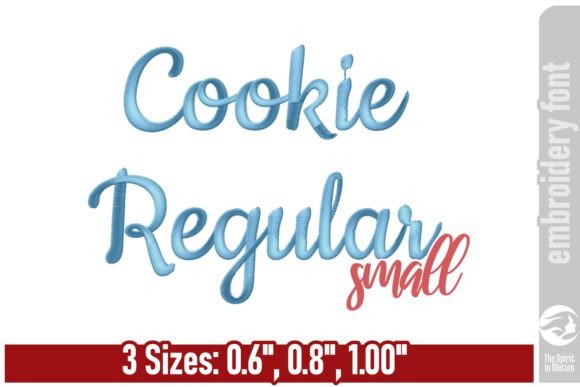
Cookie Regular Embroidery Font Review
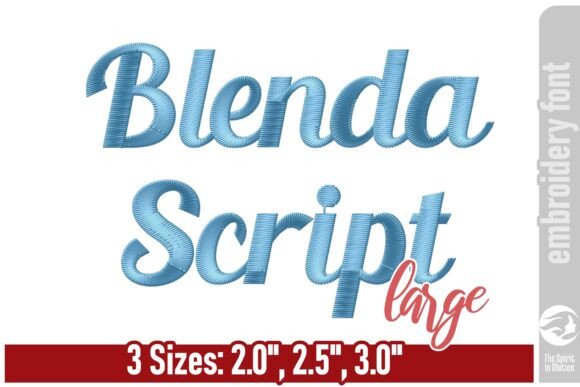
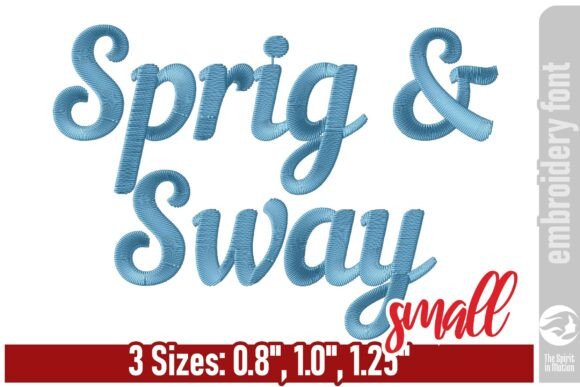
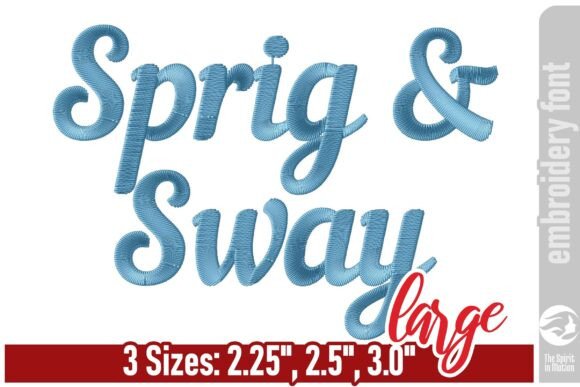
The Cookie Regular Embroidery Font is a sleek script font that brings a modern and stylish flair to any embroidery project. As an experienced embroidery designer preparing for a craft fair, I've tested this design on a variety of handmade products, from tote bags to aprons, and found it to be both versatile and visually appealing.
First Impressions: Modern Elegance with a Touch of Sophistication
From the moment I saw the Cookie Regular Embroidery Font, I was struck by its flowing script design. It feels elegant and modern, making it perfect for personalizing clothing, accessories, or home décor. The font has a soft, refined look that adds a premium feel to any finished product, which is essential when trying to stand out at a craft fair or handmade market.
Performance on Different Products
On tote bag designs, the Cookie Regular Embroidery Font looks clean and professional. It works well as a focal point or as a subtle accent. For apron embroidery, the font adds a touch of sophistication that complements both casual and more formal wear. In tea towel embroidery, it provides a stylish yet functional element that customers love.
Embroidered patches benefit from the font’s clarity and flow, making it ideal for small shop products. On fabric pouches and pillow covers, the design maintains its elegance without overwhelming the space. Market bags and handmade gifts also showcase the font’s versatility, especially when paired with appropriate thread colors and fabric textures.
Practical Selling and Production Points
The Cookie Regular Embroidery Font is easy to understand at a glance, which is crucial for attracting customer attention in a busy booth. It works well as a small accent or a large focal design, depending on the product. When photographing for online listings, the font appears sharp and readable, making it a great choice for Etsy sellers and digital sellers.
As a machine embroidery design, it’s repeatable for batch production, provided the stitch density is managed properly. However, it’s important to test the design on scrap fabric before committing to larger runs. This helps ensure that the font doesn’t lose clarity at smaller sizes or become too dense in certain areas.
Careful-Use Notes
When working with dense stitch areas or tiny details, the Cookie Regular Embroidery Font may require additional stabilizer to prevent puckering. Small lettering can be challenging on thick fabrics or textured towels, so it’s best to test on the actual material you plan to use. Curved cap surfaces may also require adjustments to maintain the font’s flow and readability.
On dark fabric, the font may not show up as clearly unless you choose a contrasting thread color. It’s also important to consider how the design will appear in commercial embroidery projects, where consistency and quality are key to maintaining brand reputation.
Impact on Visual Appeal and Customer Engagement
The Cookie Regular Embroidery Font significantly enhances the visual appeal of any craft fair product. Its flowing script design draws the eye and creates a sense of quality that resonates with handmade shoppers. As an embroidery business owner, I’ve seen how such fonts can elevate the perceived value of a product, making it more desirable to buyers.
For boutique makers and creative entrepreneurs, this font offers a consistent and recognizable style that strengthens brand identity. When displayed on booth samples or printable mockups, it helps create a cohesive and professional look that stands out among competitors.
Practical Embroidery Designer Notes
Before finalizing any project, I always recommend testing the Cookie Regular Embroidery Font on scrap fabric. This helps identify any issues with thread colors, spacing, or hoop size. It’s also essential to review the stitch density to ensure the design is neither too tight nor too loose.
Using the right stabilizer is crucial, especially when working with delicate or textured fabrics. Creating at least one real mockup allows you to see how the design will look in person, which is invaluable when presenting to customers or potential clients.
Comparing fabric colors and checking commercial licensing terms before selling finished products is another important step. While the product description mentions the font’s versatility, specific details like file formats or license terms should be confirmed directly with the seller.
Conclusion: A Versatile Choice for Handmade and Commercial Use
The Cookie Regular Embroidery Font is a strong addition to any embroidery designer’s collection. Whether you're creating tote bag designs, apron embroidery, or embroidered patches, this font offers a modern and elegant solution that appeals to a wide range of customers. Its performance across various products and its ability to enhance visual appeal make it a valuable asset for any handmade shop or craft fair vendor.