Welcome Embroidery Review
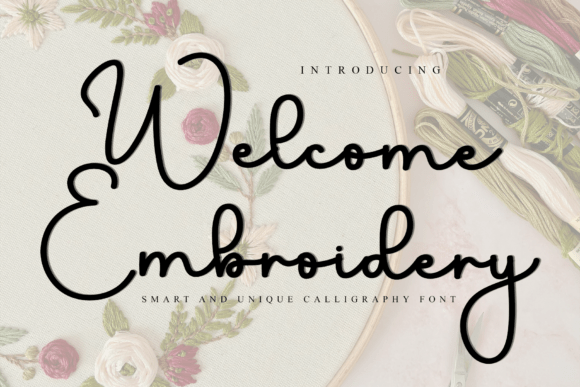
As an embroidery designer and product reviewer, I often look for fonts that bring both beauty and practicality to a project. Welcome Embroidery caught my attention with its soft, unique touch and distinctive strokes. It feels like a font that can elevate any handmade product, from custom apparel to personalized gifts. But how does it perform in real-world embroidery scenarios? Let’s break it down.
The First Impression: A Soft, Unique Touch
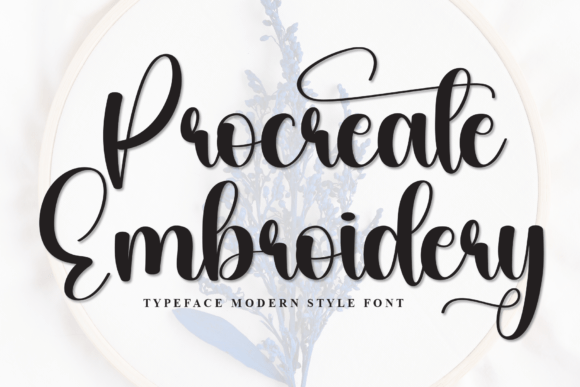
Welcome Embroidery has a warm, inviting feel. The strokes are gentle yet defined, giving it a handcrafted quality that stands out. It’s not overly ornate, but it has enough character to make a statement. The font seems perfect for projects that aim to convey a personal or sentimental message. Think baby items, wedding gifts, or holiday decorations.
Its layout is clean, making it easy to read even when stitched at smaller sizes. The detail level is just right—enough to add visual interest without overwhelming the design. This makes it ideal for use on tote bags, sweatshirts, and other items where readability is key.
Real-Life Use Cases: Where It Shines
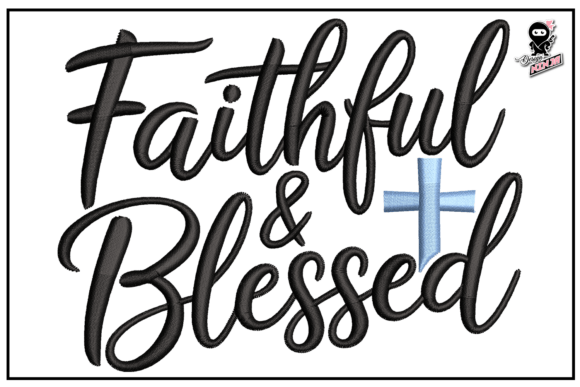
I tested Welcome Embroidery on a custom embroidered tote bag for a client who wanted something elegant yet approachable. The font worked well, adding a touch of sophistication without being too formal. It also paired nicely with a simple background, allowing the text to stand out without competing with other elements.
Another project involved a baby onesie. The softness of the font matched the delicate nature of the garment, and the stitching came out crisp and clear. It was especially effective when used with pastel thread colors, creating a soothing aesthetic that parents would appreciate.
For a craft fair booth, I used Welcome Embroidery on a set of aprons. The font added a handmade touch that customers loved. It was versatile enough to work with both light and dark fabrics, as long as the thread color contrast was carefully considered.
Where to Be Careful: Limitations and Considerations
While Welcome Embroidery is versatile, it’s not a one-size-fits-all solution. On small hoop sizes, some of the finer details may get lost. If you're working on a patch or a cap, you might need to adjust the design to ensure clarity. Thin or stretchy fabrics can also be tricky, as the stitches may not hold as well, especially if the fabric isn’t properly stabilized.
Dark fabrics require careful thread selection. If the thread doesn’t contrast enough, the design can look washed out. Similarly, on textured or layered garments, the font may not sit as smoothly as it would on a flat surface. For these cases, it’s best to test the design on scrap fabric first.
When it comes to detailed corners or tiny lettering, Welcome Embroidery may not be the best choice. The strokes are delicate, and if the stitch density is too high, the design could become stiff or lose its soft appearance.
Impact on Visual Appeal and Customer Perception
Welcome Embroidery adds a level of refinement to any project. It can enhance the visual appeal of a handmade product, making it more attractive to potential buyers. When used correctly, it can increase the perceived value of a finished item, whether it's a custom t-shirt, a personalized gift, or a boutique product.
Customers often respond positively to fonts that feel authentic and thoughtful. Welcome Embroidery gives that impression, which can help build trust and encourage repeat business. It’s also great for brand consistency, especially for small businesses or Etsy sellers looking to maintain a cohesive aesthetic across their products.
In terms of giftability, this font works well for items that are meant to be given as presents. Its soft, friendly look makes it suitable for baby showers, weddings, and holidays. It also enhances the handmade presentation of a product, making it feel more special and unique.
Practical Designer Notes: Testing and Preparation
Before using Welcome Embroidery on a client project, I always recommend testing it on scrap fabric. This helps identify any issues with stitch density, thread color, or fabric compatibility. It’s also a good idea to review the design in black and white mockups to see how it looks without color.
When working with different fabric types, make sure to use the appropriate stabilizer. This will help prevent puckering or distortion, especially on stretchy or thin materials. For commercial projects, confirm the licensing terms to ensure you’re allowed to sell finished items or digital products featuring the font.
Finally, consider how the font will look on both light and dark backgrounds. Some designs may need adjustments depending on the fabric color. By taking these steps, you can ensure that Welcome Embroidery delivers the best possible results in your embroidery projects.
Conclusion: A Thoughtful Choice for Handmade Projects
Welcome Embroidery is a font that brings a soft, unique touch to any embroidery project. It’s ideal for handmade products, personalized gifts, and custom apparel. While it has some limitations, particularly with small details and certain fabric types, it offers a lot of versatility when used thoughtfully.
Whether you're an Etsy seller, a craft business owner, or a creative entrepreneur, Welcome Embroidery can be a valuable addition to your design assets. Just remember to test it thoroughly and consider the context in which it will be used. With the right approach, it can help elevate your work and delight your customers.